Turkey, Clues, and Countdowns: A 2026 Guide to Holiday Puzzle Nights That Actually Work
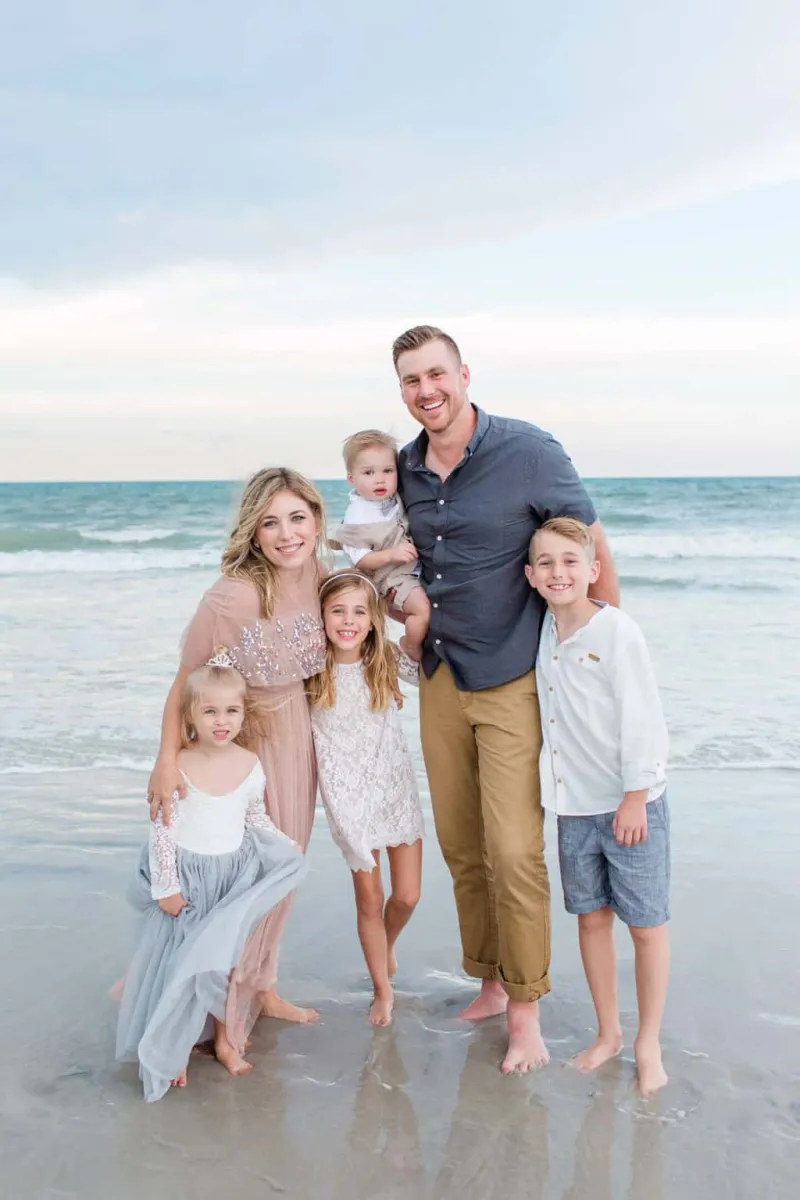
Photo: family solving puzzle at holiday dinner table with clues, via www.journeyofparenthood.com
Thanksgiving is a puzzle whether you plan for it or not. There are seats to arrange, dishes to time, relatives to navigate, and a parade on TV that nobody is really watching. The holiday season from late November through New Year's Eve is full of waiting rooms—the oven timer, the airport gate, the countdown to midnight. That makes it prime territory for puzzle nights that give people something to do together besides scroll.
This 2026 playbook is not about turning your family into a competitive puzzle team. It is about using small, low-stakes challenges to fix the weird social moments that holidays create. Each entry below includes a challenge idea, the dynamic it fixes, and how to scale it for different ages and group sizes.
1. Thanksgiving Appetizer: The Gratitude Lock
The challenge: Put a small lockbox on the appetizer table. Each place card has a clue, and the clues combine into a three-digit code. Inside the box: a stack of gratitude cards or a simple after-dinner game. The code can be based on the number of letters in each person's name, the year, or the number of dishes on the table.
The fix: It gives early arrivals something to do besides hover in the kitchen and ask when dinner will be ready. It also gives kids a job that does not involve running through the house.
Scale it: For four to six people, use three clues and a simple number lock. For eight to twelve, add decoy clues and split into two teams. For ages six and up, use picture clues instead of wordplay. For teens and adults, add one red herring that is obviously a red herring.
2. Friendsgiving: The Leftover Cipher
The challenge: Label leftover containers with letters or symbols instead of food names. Guests must decode which container holds which dish before packing up. The code key can be hidden near the napkins or texted to the group after dinner.
The fix: Cleanup usually turns into a few people doing all the work while everyone else drifts toward the couch. A shared cipher gives the group a reason to stay at the table and finish together.
Scale it: With a small group, keep it to four containers and a simple substitution. With a bigger group, assign teams and make the code a phrase that reveals where dessert is hidden. For mixed ages, pair a younger guest with an older one.
3. Tree-Trimming: The Ornament Chain
The challenge: Before decorating, attach a small symbol to each ornament. Once the tree is up, the group must arrange the ornaments in a specific order to spell a word or reveal a message. The order can follow the tree's branches, a color pattern, or a set of clue cards.
The fix: Tree trimming can become a silent solo job or a control battle over where the star goes. A shared puzzle gives everyone a role and a reason to talk.
Scale it: For a small family, use six ornaments and a short word. For a party, use twelve ornaments and two teams. For very young kids, use colors and shapes. For adults, use book titles or movie quotes as the final message.
4. Cookie Swap: The Redacted Recipe
The challenge: Hand out a favorite cookie recipe with the ingredient amounts blacked out. Guests must solve a set of clues—measuring equivalents, word scrambles, or simple math—to fill in the missing numbers before the swap begins.
The fix: Cookie swaps often have a lull while people arrange trays and make small talk. A recipe puzzle gives everyone a shared task and a natural conversation starter.
Scale it: For a small group, use one recipe and solve it together. For a larger party, give each guest a different recipe card and let them trade clues. For kids, use picture-based measurements. For adults, add a final question that reveals the host's secret ingredient.
5. Holiday Movie Night: Timeline Twist
The challenge: Before the movie starts, hand out scene cards from a holiday film and ask the group to put them in order. The cards can be simple plot beats or lines of dialogue. The first team to get the order right picks the snacks.
The fix: Movie night can dissolve into phone time before the opening credits. A short pre-show puzzle pulls the group into the same room and the same mood.
Scale it: For a family, use six cards and a movie everyone knows. For a group of friends, use ten cards and allow one hint. For a mixed-age group, use picture cards. For a big party, run two rounds with different movies.
6. New Year's Eve: The Midnight Escape Box
The challenge: Build a simple sequence of locks and boxes that opens at the end of the night. The final box holds noisemakers, a countdown sign, or a note with the year's first group activity. Clues can be hidden in party favors, place settings, or the snack table.
The fix: New Year's Eve is a waiting game with a hard deadline. A slow-burn puzzle gives the group something to do besides watch the clock and check their phones.
Scale it: For two to four people, use three locks and a thirty-minute solve. For a bigger party, split into teams and have each team open one lock that contributes to the final code. For kids, keep the clues visual and the locks easy. For adults, add a final meta-clue that requires everyone to combine their answers.
The Host's Rule: Keep It Small, Keep It Kind
The best holiday puzzle is not the hardest one. It is the one that gets people talking, gives the quiet ones a way in, and ends before anyone gets bored. In 2026, that is the real design challenge. You are not building an escape room for strangers. You are building a memory for people who may only see each other a few times a year. Keep the clues fair, keep the timer loose, and keep one person in charge of snacks. The puzzle is supposed to serve the holiday, not replace it.