Stacks, Secrets, and Scavenger Hunts: The Library Puzzle Scene Hiding in Plain Sight
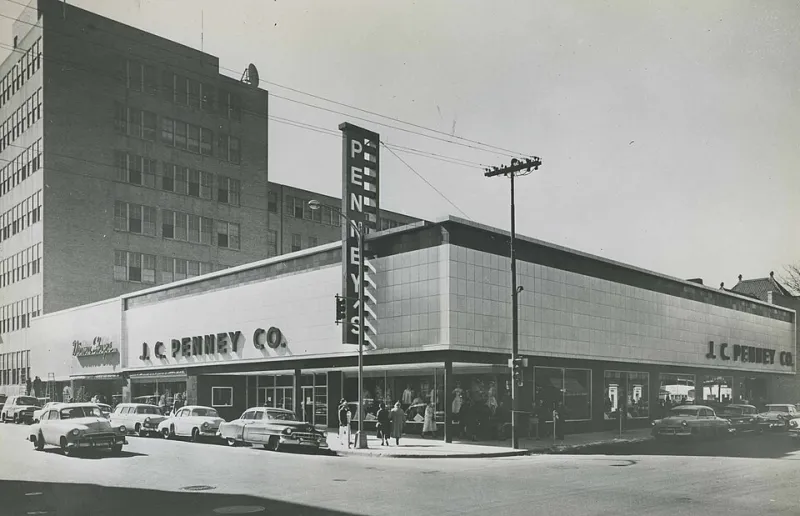
Photo: Kalamazoo Public Library, No restrictions, via Wikimedia Commons
Walk into a public library on a random Tuesday and you might see the usual: a stack of returns, a teenager hunched over a laptop, a parent reading board books to a toddler. Walk in on the right night, though, and you might see a table of adults staring at a locked box, a family following clue cards through the stacks, or a group of strangers trying to solve a fictional cold case before the clock runs out.
Library puzzle programming is not a new idea, but it has been quietly growing in the U.S. over the past several years. In 2026, it is one of the most accessible puzzle scenes in the country—free, local, and designed for people who have never set foot in a commercial escape room. The rise is not loud. It does not get the attention of a viral riddle or a true-crime blockbuster. But it is happening in meeting rooms, teen spaces, and after-hours reading rooms from small towns to big cities.
The Quietest Game Board in Town
A library is already a puzzle box. It has rules, categories, hidden information, and a system for finding things. The Dewey Decimal System is basically a giant logic grid. The card catalog—where it still exists—is a clue index. Librarians know how to organize information and how to help people who are stuck without making them feel stupid. That is a pretty good skill set for puzzle design.
The programs themselves take different shapes. Some libraries run locked-box challenges, where small groups solve a series of clues to open a box or a cabinet. Others host after-hours mystery nights, often built around a fictional crime or a local history hook. Scavenger hunts are common because they scale easily and get people moving through the building. A few libraries have built full escape-room-style experiences in study rooms, with laminated clues and combination locks.
Why Librarians Make Natural Puzzle Designers
Librarians are trained to think about the user who is not in the room. They design signs for people who are lost, catalogs for people who do not know what they want, and programs for audiences with wildly different needs. That is puzzle design. A good escape room designer asks: Where will people get stuck? What will they miss? How do we guide them without giving it away? Librarians ask those questions every day.
They also work with constraints. A library puzzle might have a budget of fifty dollars, a meeting room that has to be cleared by nine, and a group that includes a seven-year-old and a seventy-year-old. Those constraints force simple, sturdy design. You cannot rely on expensive props or complicated tech. You have to make the clues do the work. That is often better for first-time solvers.
Locked Boxes, Mystery Nights, and Catalog Clues
The most common library puzzle is the locked box. A small group gets a box with a combination lock, a set of clues, and a time limit. The clues might point to books on a shelf, a map of the building, or a page in a reference book. The final code opens the box, which contains a prize or a final message. It is simple, cheap, and endlessly adaptable.
Mystery nights are more theatrical. The library stays open late, staff or volunteers play suspects, and participants move between rooms to interview characters and collect evidence. These events often tie into a book club or a local history theme. A library in an old building might build a mystery around a fictional lost ledger. A library with a strong teen program might let teens design and run the case for younger kids.
Scavenger hunts are the easiest entry point. Participants get a clue sheet and move through the stacks, looking for specific books, call numbers, or hidden cards. The best hunts do not just send people running. They teach them how the library works. One common challenge asks solvers to use a call number to find a book, then use a word from that book's title to decode the next clue. By the end, they have used the catalog, navigated the shelves, and solved a puzzle. That is a pretty elegant trick.
How to Find a Puzzle Night Near You
Start with your library's event calendar. Look for words like escape room, mystery night, scavenger hunt, puzzle challenge, teen program, or adult programming. Some libraries list puzzle events under general community events, so it is worth checking the newsletter too. If you do not see anything, ask the reference desk. Librarians are used to questions, and 'do you ever run puzzle events?' is a good one. You might find out about a monthly board game night, a locked-box challenge, or a staff member who has been wanting to try one.
Also check the Friends of the Library group, local homeschool networks, and library social media accounts. Puzzle events are often announced late because they depend on volunteers and room availability. If you are willing to travel, look at neighboring towns. Library systems sometimes share programs, and a small branch may host an event that the main branch does not.
How to Pitch Your Own Event
If your library does not have a puzzle program, you can pitch one. Keep it small. Bring a one-page plan that covers the audience, the space, the budget, the time, and the accessibility needs. Offer to design the clues and facilitate the event. Libraries are often short on staff time, not enthusiasm. A volunteer-led puzzle night is an easier yes than a complicated new program.
Start with a locked-box challenge for teens or families. Use materials you already have: index cards, envelopes, combination locks, a few books from the shelves. Build in a simple hint system so no one gets stuck for too long. Test it with a small group before the event. Then scale up if it works.
The Card Catalog Comeback
The library puzzle scene is not trying to compete with commercial escape rooms. It is doing something different. It is making puzzle-solving local, free, and intergenerational. It is giving people a reason to walk into a building they might otherwise pass by. And it is reminding us that the best puzzles do not always need fog machines or a dramatic backstory. Sometimes they just need a shelf of books, a locked box, and a librarian who knows exactly where to hide the next clue.