Decoding the Drive-Thru: How Secret Menus Became America's Tastiest Puzzle
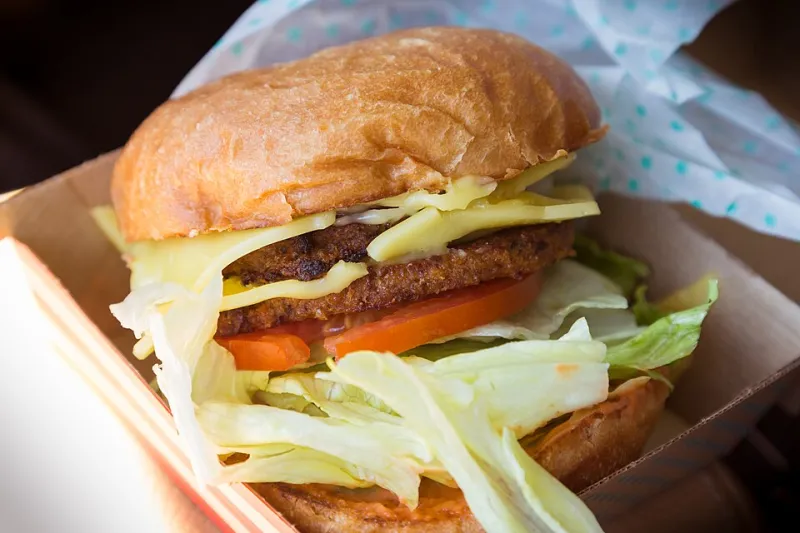
Photo: Tony Webster from Minneapolis, Minnesota, CC BY-SA 2.0, via Wikimedia Commons
Ordering a burger should be simple. You pick a number, say it, pay, and wait. Yet somewhere between the drive-thru speaker and the pickup window, American fast food has quietly become a puzzle box. The clues are in the app, the signage is incomplete, and the prize is an item that may or may not exist at your local location. In 2026, the secret menu is less a hidden list than a live mystery — part marketing, part folklore, part community password.
The menu behind the menu
Most so-called secret menus are not printed anywhere. Some are official but under-promoted: app-only combos, limited regional tests, rewards-member exclusives, and customization paths that employees know but signs do not explain. Others are pure internet mythology — a viral screenshot promising a nacho-fry chimera that no chain has ever sold. The puzzle starts when those categories blur.
Chains benefit from that blur. An app-only item feels like a discovery. A regional test item becomes a travel trophy. A customization code — extra toast, swapped sauce, a different bun — turns a normal order into a small solve. The customer is not just buying lunch; they are proving they know something.
Real secret menus tend to leave evidence. They show up in official apps, in company press releases, in employee training materials, or in consistent reports from multiple locations over time. Folklore tends to rely on a single blurry image, a cousin who works at corporate, or a list that copy-pastes the same seven items across every chain. The difference matters, because asking a cashier for a fictional item is not a puzzle; it is just an awkward transaction.
Why ambiguity sells
Ambiguity creates insiders. If everyone can order the same thing from the same board, there is no story. If a customer has to know a code, a custom build, or a regional quirk, the meal comes with a tiny narrative: I found this. I asked. I solved it.
That narrative is valuable because it is shareable. A secret-menu win becomes a video, a post, a text to a friend. The brand gets attention without paying for a national ad. The customer gets a dopamine hit that has nothing to do with calories. It is the same loop that makes escape rooms and riddles sticky: a clear goal, incomplete information, and a satisfying click when the pieces fit.
The risk is trust. When brands tease secrets that do not exist, or when employees are forced to disappoint customers chasing viral fiction, the puzzle turns into a prank. The best secret menus feel like hidden doors, not bait-and-switch traps.
How to spot a genuine secret-menu puzzle
Start with the official app. In 2026, most real hidden items live behind an app, a rewards account, or a location-specific online menu. If the item cannot be found there, treat it as unconfirmed.
Look for repetition. A genuine item usually has a trail: multiple recent reports, a consistent name, a clear price or build. A fake item often appears as a screenshot with no location, no date, and no second source.
Ask about customization, not magic. Employees are more likely to help with a known build — swap this sauce, add this topping, use this bun — than with a mythical item name from TikTok. Politeness is part of the puzzle. So is accepting no.
Watch for regional clues. Limited tests often appear in specific markets before they go national. A menu item in one state may be a real test and a total fiction three states away. That is not a conspiracy; it is how chains experiment.
Never confuse a secret with a code. A rewards code, a survey coupon, or an app-only deal is a promotion, not a hidden menu. It still counts as a solve if you found it, but the puzzle is marketing, not mystery.
A field guide for would-be menu sleuths
Try the app first, then the counter. Ask whether a customization is possible without naming a fictional item. Check local social posts for recent photos with location tags. If a chain has a test kitchen or a regional specialty, search for that market rather than a generic list. And keep expectations low: the thrill is in the hunt, not in forcing a tired employee to decode a TikTok rumor.
The smartest solvers also know when to stop. A secret menu is supposed to be fun. If finding it requires harassment, fake codes, or arguments with staff, you have left puzzle territory and entered jerk territory.
The solve is the sauce
Fast-food secret menus endure because they turn a routine errand into a tiny investigation. The best ones reward curiosity without humiliating the person at the counter. The worst ones are just internet fog with a value meal attached.
So order with a question, not a demand. Check the app. Compare the clues. Tip the person who helps you. And remember the real secret: the thrill is not the item you unlock. It is the moment your brain says, ah — I see how this works.