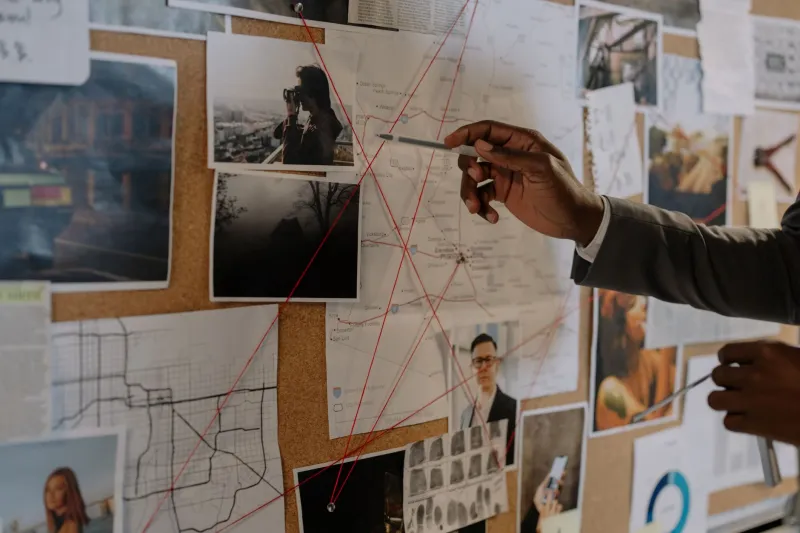
Riddle Me Famous: The Rise of Puzzle Creators Turning Brain Teasers Into a Career
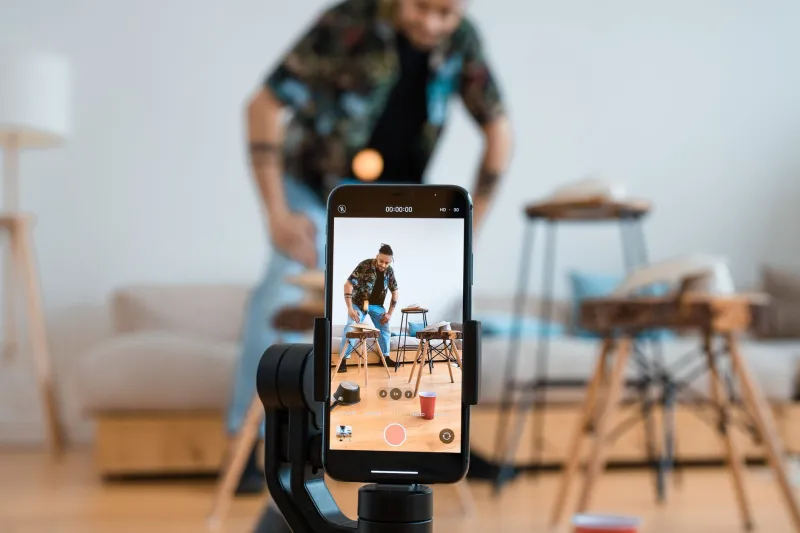
Not long ago, if you told someone you were going to build a career by solving puzzles on the internet, they'd probably hand you a career counselor's business card. Today, they might ask for your handle.
A quiet but genuinely fascinating shift is happening across TikTok, YouTube, and Instagram, where a growing wave of creators have figured out that brain teasers, riddles, and mystery challenges are some of the most watchable content on the web. These aren't just hobbyists goofing around on weekends. Some of them are pulling millions of views per video, negotiating sponsorship deals, and building full-time businesses out of the art of the puzzle.
Welcome to the era of the puzzle influencer — and trust us, it's weirder and more interesting than it sounds.
How Did We Get Here?
The short answer is Wordle. When the simple word game exploded in late 2021 and early 2022, it didn't just get people solving — it got people talking about solving. Sharing scores, debating strategies, and arguing over whether a certain word was fair game became a genuine social ritual. Puzzle content was suddenly social currency.
Creators noticed. On TikTok, videos with the hashtag #riddle have accumulated billions of views. Channels dedicated to escape room walkthroughs, lateral thinking puzzles, and mystery challenges have quietly become some of the platform's stickiest content categories — meaning people don't just watch once, they come back.
YouTube has its own puzzle ecosystem. Channels like those run by Mark Rober — who famously blends engineering challenges with game-show energy — have demonstrated that problem-solving content can compete with any entertainment genre for raw viewership. His puzzle-based videos regularly crack tens of millions of views. Younger, scrappier creators have taken note and started carving out their own niches.
The Creators Changing the Game
The puzzle creator space is surprisingly diverse in its formats. Some creators film themselves working through escape rooms or mystery boxes in real time, letting viewers play along and shout answers at their screens. Others build original riddles and post them as challenges, turning their comment sections into competitive solving arenas. A smaller but growing group creates elaborate narrative mysteries — think serialized storytelling where the audience has to piece together clues across multiple videos.
Creators like Zach King have shown that visual puzzle content — magic-adjacent optical illusions and reveal videos — can generate the kind of share-worthy virality that most brands spend millions trying to manufacture. Meanwhile, educators-turned-entertainers are using riddles and logic puzzles to teach critical thinking, blending the intellectual appeal of puzzles with the parasocial warmth of personality-driven content.
What unites all of them is a surprisingly loyal audience. Puzzle content tends to attract repeat viewers, high comment engagement, and strong community formation — the metrics that brands and platform algorithms both love.
Why Watching Someone Else Solve Is So Satisfying
Here's the psychological wrinkle that makes puzzle creator content so compelling: you don't have to solve anything yourself to get a hit of that reward feeling.
Neuroscientists studying mirror neuron systems have found that observing someone else experience a reward can activate similar neural pathways in the observer. When you watch a creator crack a hard riddle — especially one you've been trying to figure out yourself — you get a version of the dopamine payoff without doing the full cognitive work. It's the same reason sports fans feel genuinely elated when their team scores.
But puzzle content adds another layer. Unlike watching someone win a video game or complete a cooking challenge, a riddle or mystery has a hidden answer that you're also chasing in real time. The viewer and the creator are in it together, which creates a sense of shared investment that's rare in passive entertainment.
"There's a participatory quality to puzzle content that most entertainment doesn't have," says digital media researcher Janelle Cross, who studies online community formation. "The audience isn't just watching — they're competing, guessing, and feeling genuinely proud when they get it right before the creator does. That's a powerful engagement loop."
The Business of Being Puzzling
So what does a puzzle creator's business actually look like? The revenue streams are more varied than you might expect.
Ad revenue from YouTube is the baseline for many, but the smarter creators have diversified aggressively. Merchandise — branded puzzle kits, custom riddle decks, mystery subscription boxes — has become a reliable income stream for creators with engaged audiences. Sponsorships from puzzle apps, board game companies, and even escape room chains have become common. Some creators run Patreon communities where subscribers get exclusive riddles, early access to challenges, or behind-the-scenes content.
A handful of the biggest names have parlayed their online followings into live experiences — hosting puzzle events, appearing at conventions, or partnering with escape room operators to design branded rooms. It's a content-to-commerce pipeline that looks a lot like what fitness influencers built a decade ago, just with brain teasers instead of protein shakes.
The Democratization of Puzzle Fame
One of the genuinely exciting things about this space is how low the barrier to entry is. You don't need a production crew or a celebrity co-sign to start a puzzle channel. Some of the most-watched riddle videos on TikTok are shot vertically on a smartphone with nothing but a whiteboard and a personality.
That accessibility has opened the door for a wide range of voices — teachers, math nerds, mystery fiction fans, escape room enthusiasts — who wouldn't have had a platform in the traditional entertainment landscape. A high school math teacher in Ohio can build a following of 200,000 puzzle fans. A true crime obsessive in Georgia can create a mystery-solving series that rivals professionally produced content in engagement.
Platforms are also actively rewarding this content. TikTok's algorithm has shown a particular appetite for "challenge" and "reveal" formats, both of which map naturally onto puzzle content. YouTube's recommendation engine tends to favor high-retention videos — and nothing keeps viewers watching to the end like an unsolved mystery.
What's Next for Puzzle Creators?
The space is still young enough that its ceiling is genuinely unclear. AI-generated puzzle content is already emerging as both a tool and a competitive threat — some creators are using AI to generate original riddles at scale, while others worry about the authenticity of machine-made challenges.
Live-streaming puzzle events, interactive mystery series on streaming platforms, and puzzle-based reality competition shows are all being discussed in entertainment circles. Given how naturally puzzle content translates to shared viewing experiences, it's not hard to imagine the format making a bigger leap into mainstream TV.
For now, though, the puzzle creator economy is thriving in its native digital habitat — and if you haven't stumbled across a riddle video that made you pause mid-scroll and actually think, you probably just haven't found your rabbit hole yet.
Trust us: once you do, you won't walk away unsolved.