Swipe Left on Scrolling: How Gen Z Fell Hard for Puzzles, Riddles, and the Thrill of the Solve
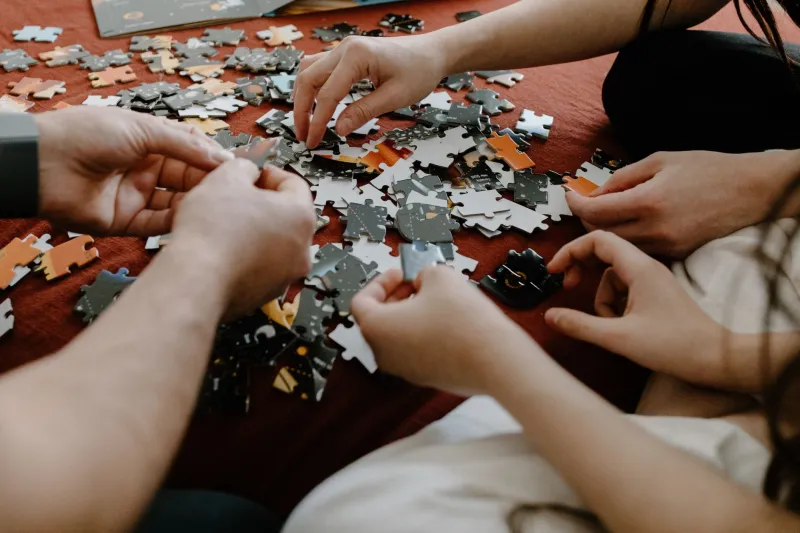
Here's something nobody saw coming. The generation that practically invented doom-scrolling — the TikTok-fluent, Instagram-native, chronically online cohort we call Gen Z — is quietly staging a rebellion against the very thing that defined their adolescence. And the weapon they've chosen? Puzzles.
Not metaphorical puzzles. Actual riddles, escape rooms, murder mystery apps, and daily brain teasers. The same stuff your grandparents did at the kitchen table is now a full-blown cultural movement among people born between 1997 and 2012. And the numbers back it up in a big way.
The Data Doesn't Lie
Escape room industry research from 2023 shows that adults under 30 now make up the largest single demographic booking escape room experiences across the US — surpassing the 30-45 age group that dominated the market just five years ago. Puzzle app downloads among 18-to-24-year-olds jumped by over 40% between 2021 and 2024. Wordle's explosion wasn't just a pandemic fluke; it was a signal. Daily puzzle rituals have become a genuine part of Gen Z's morning routine, often replacing the reflexive reach for Instagram or X.
Jordan Kwon, co-founder of a puzzle app called Unravel that launched in 2022 and now has over 800,000 active users, says the shift caught even him off guard. "We built the app for casual puzzle fans, kind of ageless," he explained. "Then our analytics showed our fastest-growing user base was 19-to-25-year-olds. They weren't just playing — they were sharing their solve times, creating communities, treating it almost like a sport."
The Scroll Trap and the Brain That Knows It's Stuck
To understand why puzzles are winning, you have to understand why scrolling is losing — at least in the eyes of Gen Z themselves.
Dr. Priya Nair, a neuroscientist at a research institute affiliated with the University of Michigan who studies attention and digital behavior, puts it bluntly: "Infinite scroll is engineered to never satisfy. Your brain keeps expecting a reward that never fully arrives. It's a loop with no resolution."
Puzzles, she explains, are structurally the opposite. "Every puzzle has a solve state. There's a beginning, a middle, and an end where your brain gets genuine closure. The neurochemical payoff from cracking a riddle — that 'aha' moment — is real and measurable. Dopamine fires, but in a way that feels earned rather than manipulated."
Gen Z, for all the criticism thrown their way about attention spans, seems to have internalized this distinction on some level. Surveys from the American Psychological Association's 2023 Stress in America report showed that adults under 25 ranked social media as a top stressor more frequently than any other age group — and were also more likely to actively seek out screen-free or low-stimulation activities as a coping mechanism.
Puzzles sit in a sweet spot: they're engaging enough to compete with a phone screen, but they hand the control back to the solver.
Escape Rooms as the New Social Hangout
Walk into any mid-sized escape room venue on a Friday night in cities like Austin, Denver, or Chicago, and you'll notice something: it's not corporate team-building groups dominating the lobby. It's groups of 22-year-olds in hoodies, laughing and arguing over clues.
Maya Torres, who manages a chain of escape rooms in the Dallas-Fort Worth area, says the shift in her clientele has been dramatic. "Three years ago, we were marketing almost exclusively to companies doing team-building events. Now our weekend bookings are overwhelmingly friend groups, mostly college-aged. They come back. Some of our regulars have done 20-plus rooms."
The social dimension matters here. Escape rooms deliver something social media promises but rarely delivers: genuine shared experience. You can't half-pay-attention in an escape room the way you can while watching someone's Instagram story. The puzzle demands presence. And for a generation that's grown up performing connection online rather than experiencing it, that demand feels less like a burden and more like a relief.
Mystery Games and the Narrative Pull
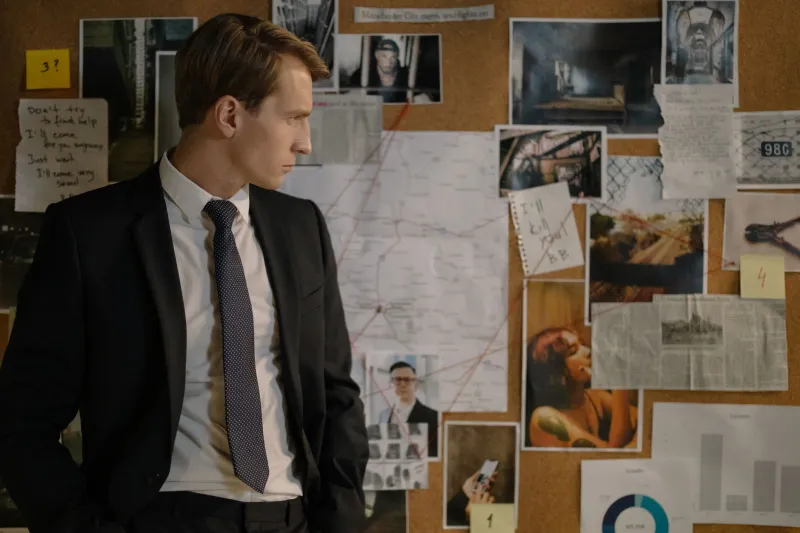
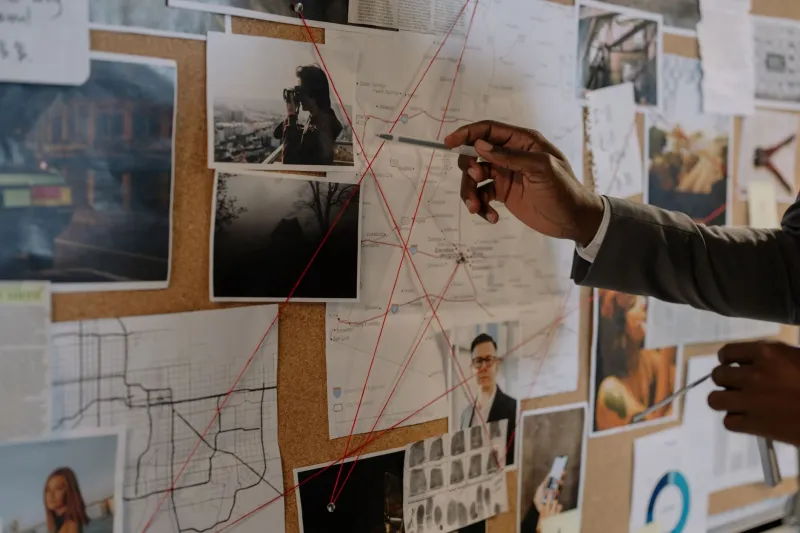
Beyond escape rooms, mystery-driven puzzle games have exploded on mobile and tabletop formats. Games like Detective: A Modern Crime Board Game, murder mystery subscription boxes, and narrative puzzle apps have found enormous audiences among younger players who want their brain challenge wrapped in a story.
"Gen Z grew up with prestige TV — True Detective, Knives Out, Glass Onion," says Kwon. "They're trained to look for clues, to expect twists, to distrust the obvious answer. A puzzle that just asks you to do math doesn't scratch that itch. But a puzzle wrapped in a mystery? That's a different animal."
The storytelling layer turns a riddle into an experience. It's the difference between doing reps at the gym and playing a sport — both work the same muscles, but one keeps you coming back.
What Puzzles Actually Do to an Attention Span
Here's where it gets genuinely interesting from a brain science standpoint. Dr. Nair's research suggests that regular puzzle engagement — as little as 15-20 minutes a day — can measurably strengthen what cognitive scientists call "sustained attention," the ability to stay focused on a single task without seeking novelty.
"Social media trains your brain to expect a new stimulus every few seconds," she says. "Puzzles train the opposite reflex: sit with the discomfort of not knowing, and push through to the answer. Those are fundamentally different cognitive habits."
For Gen Z, who've grown up with the former, building the latter feels almost countercultural. And that framing — puzzles as a form of rebellion against the attention economy — is exactly how some in the community talk about it.
There are entire Reddit threads and TikTok accounts (yes, TikTok) dedicated to "puzzle detox" culture, where young people document their shift away from passive scrolling toward active problem-solving. The irony of using social media to promote leaving social media is not lost on them. They lean into it.
The Clue at the Center of It All
Maybe what Gen Z has figured out — consciously or not — is something puzzle enthusiasts have always known: there's a profound difference between consuming content and solving something. One is passive. The other makes you feel like the main character.
In a media landscape designed to turn everyone into an audience member, puzzles hand you back the pen. You're not watching someone else crack the case. You're the detective. You're the one standing in the escape room at minute 58, heart pounding, finally seeing how all the clues connect.
For a generation that's been told they can't focus, can't commit, and can't put their phones down — that feeling might be exactly what they've been looking for all along.
The puzzle pandemic isn't a trend. It's a correction.