The Weight Loss Clue Hidden in Your Cat's Food Bowl (And What It Reveals About Every Diet Puzzle)
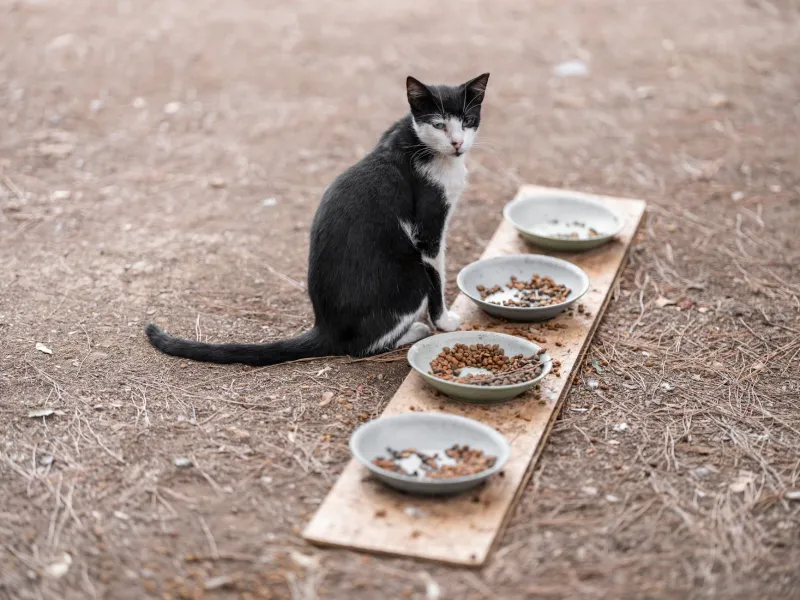
Your cat is giving you a look. Not the usual "feed me" look — this one is different. This is the look your vet warned you about after the weigh-in, the one that comes right before the phrase "your cat could stand to lose a few pounds."
Welcome to one of the most genuinely puzzling challenges in pet ownership: helping a cat lose weight through diet. It sounds simple. It is absolutely not simple. And the more you dig into the science of it, the more it starts to feel like a mystery that requires real strategy to crack.
At TricksClues, we love a good puzzle — and feline weight management is one that millions of American cat owners are actively trying to solve right now. Let's break it down.
Why Cat Weight Loss Is Harder Than It Looks
About 60% of cats in the United States are classified as overweight or obese, according to the Association for Pet Obesity Prevention. That's not a small number. And yet, most cat owners who try to address the problem hit a wall almost immediately.
The reason? Cat metabolism is genuinely weird. Cats are obligate carnivores, meaning their digestive systems are wired specifically for protein-heavy, low-carbohydrate diets. Their bodies don't process carbs the same way dogs or humans do. When you feed a cat food that's high in carbohydrates — which a surprising number of commercial cat foods are — their systems aren't built to handle it efficiently, and weight gain follows.
So the first clue in this puzzle is: not all cat food is created equal, and the label on the bag isn't always telling you the full story.
Reading the Label Like a Detective
If you've ever stared at a bag of cat food and felt mildly confused, you're not alone. Cat food labels are a puzzle in themselves. Here's how to decode the key pieces:
Crude Protein % — This is one of your most important numbers. For weight loss, you generally want a food that's high in protein (look for 30–45% on a dry matter basis). High protein helps cats maintain muscle mass while losing fat.
Crude Fat % — Fat isn't automatically the enemy, but it is calorie-dense. A reduced-calorie diet food will typically have lower fat content. Look for something in the 10–20% range on dry matter basis for a weight-loss formula.
Carbohydrates — Here's the sneaky one. Cat food labels are not required to list carbohydrate content directly. To figure it out, you subtract protein + fat + moisture + ash + fiber from 100. Anything over 10–15% carbs on a dry matter basis is worth questioning for an overweight cat.
"Weight Management" vs. "Light" vs. Regular — These labels don't always mean what you think. "Light" just means fewer calories than the brand's standard formula. "Weight management" formulas are specifically designed to support gradual, healthy weight loss. They're not the same thing.
Wet Food vs. Dry Food: The Great Debate
If there's one piece of advice that veterinary nutritionists repeat more than any other when it comes to cat weight loss, it's this: consider switching to wet food.
Here's why that matters strategically:
- Wet food has significantly higher moisture content (typically 75–80% water). This means cats feel fuller on fewer calories.
- Dry kibble is often more calorie-dense per ounce and easier to over-serve.
- Many dry foods contain more carbohydrates than wet food, which (as we covered above) cats aren't great at processing.
That said, wet food isn't a magic solution. Portion control still matters. A cat who eats an entire can of high-calorie wet food twice a day isn't automatically on a weight loss plan — you still have to check the calories per serving and measure accordingly.
The Portion Control Puzzle
This is where a lot of well-intentioned cat owners get tripped up. "Feeding guidelines" on cat food packages are notoriously generous — they're designed to ensure cats eat enough, not to help them lose weight. And free-feeding (leaving food out all day) is one of the fastest routes to feline obesity.
For a cat on a weight loss plan, most vets recommend:
- Measuring every meal — use a kitchen scale, not a measuring cup, for accuracy
- Feeding 2–3 small meals per day instead of free-feeding
- Calculating target calories based on your cat's ideal body weight, not their current weight (your vet can help you determine this)
- Tracking progress monthly — healthy feline weight loss is slow, typically 0.5–2% of body weight per week
If your cat loses weight too fast, it can cause a serious liver condition called hepatic lipidosis. This is not a puzzle you want to rush. Slow and steady is literally the strategy here.
Ingredients Worth Looking For
When you're shopping for a weight-loss cat food, here are the clues to look for on the ingredient list:
- Named protein source as the first ingredient — chicken, turkey, salmon, etc. (not "meat by-products" or a grain)
- L-carnitine — an amino acid that helps convert fat into energy; found in many weight management formulas
- High fiber content — helps cats feel full; look for ingredients like cellulose, psyllium, or pea fiber
- No corn syrup or added sugars — yes, some cat foods contain these; they have no place in a weight-loss formula
When Food Alone Isn't the Answer
Sometimes the food puzzle is only part of the picture. If your cat is gaining weight despite reasonable portions and decent food quality, it's worth ruling out medical causes — hypothyroidism and other hormonal conditions can contribute to weight gain in cats, just as they can in humans.
Also worth considering: environmental enrichment. Cats who are bored tend to eat more. Puzzle feeders (yes, actual cat puzzle toys that make them work for their food) can slow down eating, reduce boredom-driven snacking, and add a little mental stimulation to your cat's day. It's the kind of solution a puzzle enthusiast can fully appreciate — the answer to one problem hidden inside another.
The Bottom Line
Helping your cat lose weight through diet is a genuine strategic challenge. It requires reading labels carefully, understanding feline biology, calculating the right portions, choosing the right food type, and monitoring progress patiently over time. It's not a quick fix — it's a long game.
But that's kind of the thing about the best puzzles, isn't it? The ones worth solving take real effort, real attention, and a willingness to adjust your strategy when the first approach doesn't work.
Your cat's food bowl is full of clues. You just have to know how to read them.