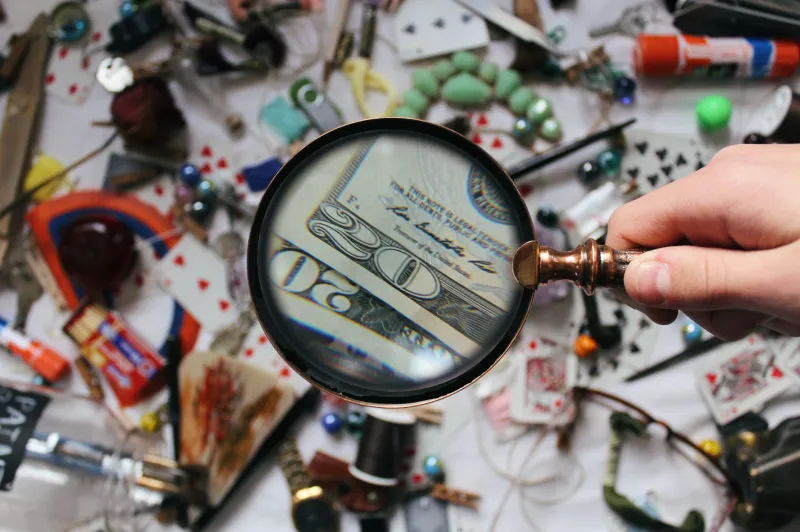
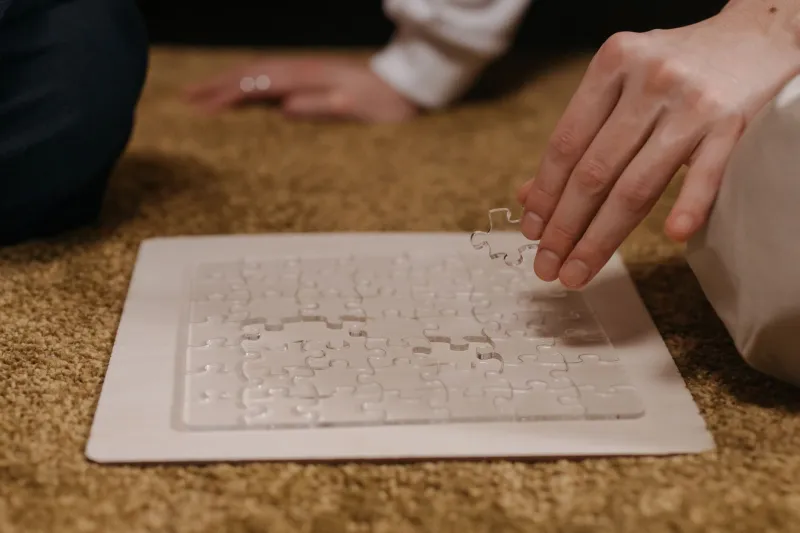
The Blind Spot Paradox: Why Master Puzzle Solvers Can't Crack Their Own Lives
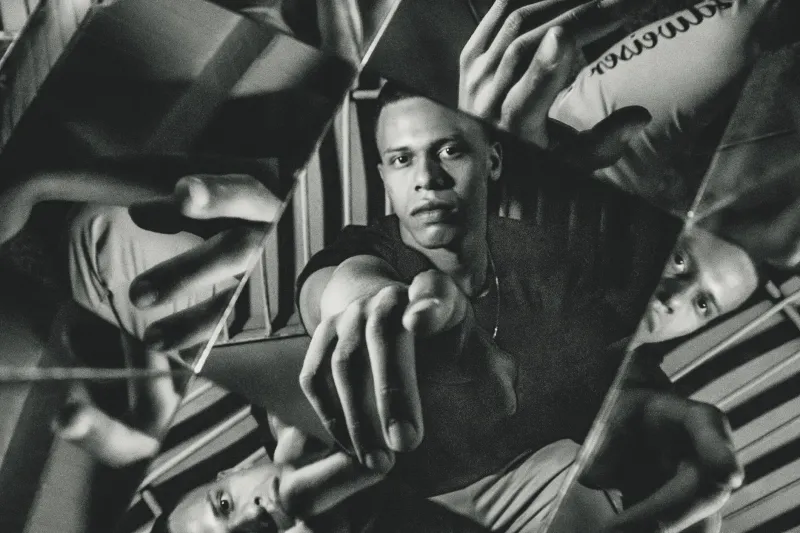
Let's set the scene. You're the person at the escape room who figures out the combination lock while everyone else is still reading the clues. You finished the Sunday crossword before your coffee got cold. You spotted the plot twist in that true crime podcast about forty minutes before the host dramatically revealed it. You are, by any reasonable measure, genuinely good at this stuff.
So why — why — have you been paralyzed about whether to leave your job, fix a broken friendship, or make a major life decision for what feels like an embarrassingly long time?
Welcome to the blind spot paradox. It's the quiet curse that follows almost every serious puzzle enthusiast around, and nobody really talks about it.
Your Brain Has Two Different Operating Modes
Here's the thing cognitive scientists have known for a while but puzzle culture hasn't fully caught up to: the mental tools you use to crack an abstract problem are fundamentally different from the ones required to navigate a personal dilemma.
When you're working through a logic puzzle or a mystery scenario, your brain slips into what researchers sometimes call detached analysis mode. You're emotionally uninvested. The cipher doesn't care about your feelings. The riddle won't judge you if you get it wrong on the first try. Failure is just data — useful, neutral, recyclable data that moves you closer to the answer.
But the moment the puzzle becomes your life? The stakes change completely. Now failure isn't just a wrong answer you can erase. It's a relationship that might end, a career that might stall, a version of yourself you might have to let go of. Your brain knows this. It pumps the brakes hard.
The result is what psychologists call emotional interference — where high personal stakes actually cloud the very analytical thinking you're usually so proud of. The smarter and more self-aware you are, the more elaborate the interference tends to get. You don't just freeze up. You build incredibly convincing logical-sounding arguments for staying exactly where you are.
The Solver's Ego Problem
There's another layer here that's a little harder to admit. People who are good at puzzles tend to develop a quiet (or sometimes not-so-quiet) confidence in their own reasoning. And that confidence, earned as it is in abstract domains, can become a liability in personal ones.
When you're used to being the person who figures things out, the idea that you might be genuinely confused about your own life feels almost offensive. So instead of sitting with that confusion, your brain does something sneaky — it reframes the problem as already solved, or not really a problem, or something you'll get to eventually.
Puzzle people are especially susceptible to what therapists call intellectualizing — turning an emotional question into a cerebral exercise to avoid actually feeling the discomfort of not knowing. You're not stuck on whether to have a hard conversation with your partner. You're analyzing the optimal communication strategy. Same avoidance, fancier packaging.
Why Distance Is the Secret Ingredient
Here's something interesting: studies on decision-making consistently show that people give better advice to strangers than to themselves. Ask someone what their friend should do about a toxic workplace, and they'll give you a clear, practical, emotionally grounded answer in about thirty seconds. Ask them what they should do about their own toxic workplace, and you'll watch them talk in circles for twenty minutes.
This phenomenon — sometimes called Solomon's Paradox after the biblical king famous for wise counsel he rarely applied to his own messy life — is essentially the puzzle blind spot in action. Proximity kills clarity. The closer you are to a problem, the harder it is to see the shape of it.
This is actually great news, because it means the solution isn't to become a different kind of thinker. It's to manufacture distance artificially.
Debugging Your Own Life Like a Cipher
So how do you actually apply your puzzle brain to the stuff that matters most? A few strategies that work surprisingly well:
Write the problem in third person. Seriously — try it right now with whatever you're stuck on. Instead of "I don't know if I should leave this job," write "Alex doesn't know if they should leave this job." Research backs this up: psychological distancing through language shifts your brain from emotional processing to analytical processing almost immediately. You become the outside observer, which is where your puzzle brain lives.
Set a solution timer. One of the reasons puzzles feel solvable is that they have implied deadlines — you're in an escape room, there's a leaderboard, the game ends. Open-ended life questions don't have that urgency, which lets your brain defer indefinitely. Give yourself a real constraint: "By Sunday, I will have made a decision about X." Artificial pressure activates the same solve-drive that makes you thrive under puzzle conditions.
Name the hidden rule. In most tricky puzzles, the real breakthrough comes when you identify the assumption you didn't know you were making. Life decisions work the same way. When you're stuck, ask yourself: What would have to be true for this to not be a hard decision? That question often surfaces the buried belief that's actually running the show — "I'd have to believe I deserve better" or "I'd have to stop needing everyone's approval." That's your hidden rule. That's the lock.
Bring in a co-solver. Puzzle teams outperform solo solvers for a reason. Find someone you trust — not to validate your existing position, but to genuinely interrogate the problem with you. Brief them like you'd brief a partner before an escape room. Give them the facts without the emotional framing. Let them ask dumb questions. The dumb questions are almost always the right ones.
Treat your first instinct like a first draft. Good puzzle solvers know that your initial read on a clue is useful but rarely final. Apply the same principle to your gut reactions about life decisions. Your first instinct is data, not destiny. Write it down, then ask: What else could this mean? What am I not seeing?
The Hardest Puzzle Is Always the One You're Living In
There's something almost poetic about the fact that the people who are best at unraveling external mysteries are often the most tangled up in their own. It's not a character flaw. It's a feature of how deeply invested you are in the outcome — and honestly, that investment is what makes you worth knowing.
But the puzzle is still there, waiting. Your career. Your relationships. The version of your life you keep sketching and never building. These aren't unsolvable. They're just the kind that require you to step outside the frame for a moment.
You've cracked harder codes than this. You just needed to remember that you're the solver, not the subject — and sometimes, that shift in perspective is the only clue you ever needed.